
Latest Articles
-

Ottawa Psychotherapy Services: Built to Serve Those Who Served
Ottawa Psychotherapy Services has developed a clinical environment specifically tailored to the needs of Canadian Armed Forces members, Veterans, and their families. The practice prioritizes Veteran-to-Veteran connection, expert trauma supervision, and ongoing training in evidence-based PTSD treatments. Clients benefit not only from individual therapists, but from a collaborative clinical team grounded in military cultural competence and trauma expertise.
March 2, 2026
-

It’s Not You, It’s the Biology: Intimacy and PTSD
PTSD can create emotional and physical distance between partners, often leaving spouses feeling rejected or disconnected. Trauma physiology plays a key role: when the nervous system remains in “fight or flight,” vulnerability and intimacy can feel unsafe, even within a loving relationship. Emotional withdrawal is frequently a biological safety response rather than a lack of care.
February 27, 2026
-

The Ripple Effect: Understanding PTSD in the Family Unit
When a Veteran lives with CPTSD, the impact is often felt across the entire family system. Emotional withdrawal, irritability, and avoidance can leave loved ones feeling confused or as though they are “walking on eggshells.” Family members may internalize these changes, while also experiencing secondary trauma or burnout themselves.
February 17, 2026
-
Stuck in "Combat Mode"?
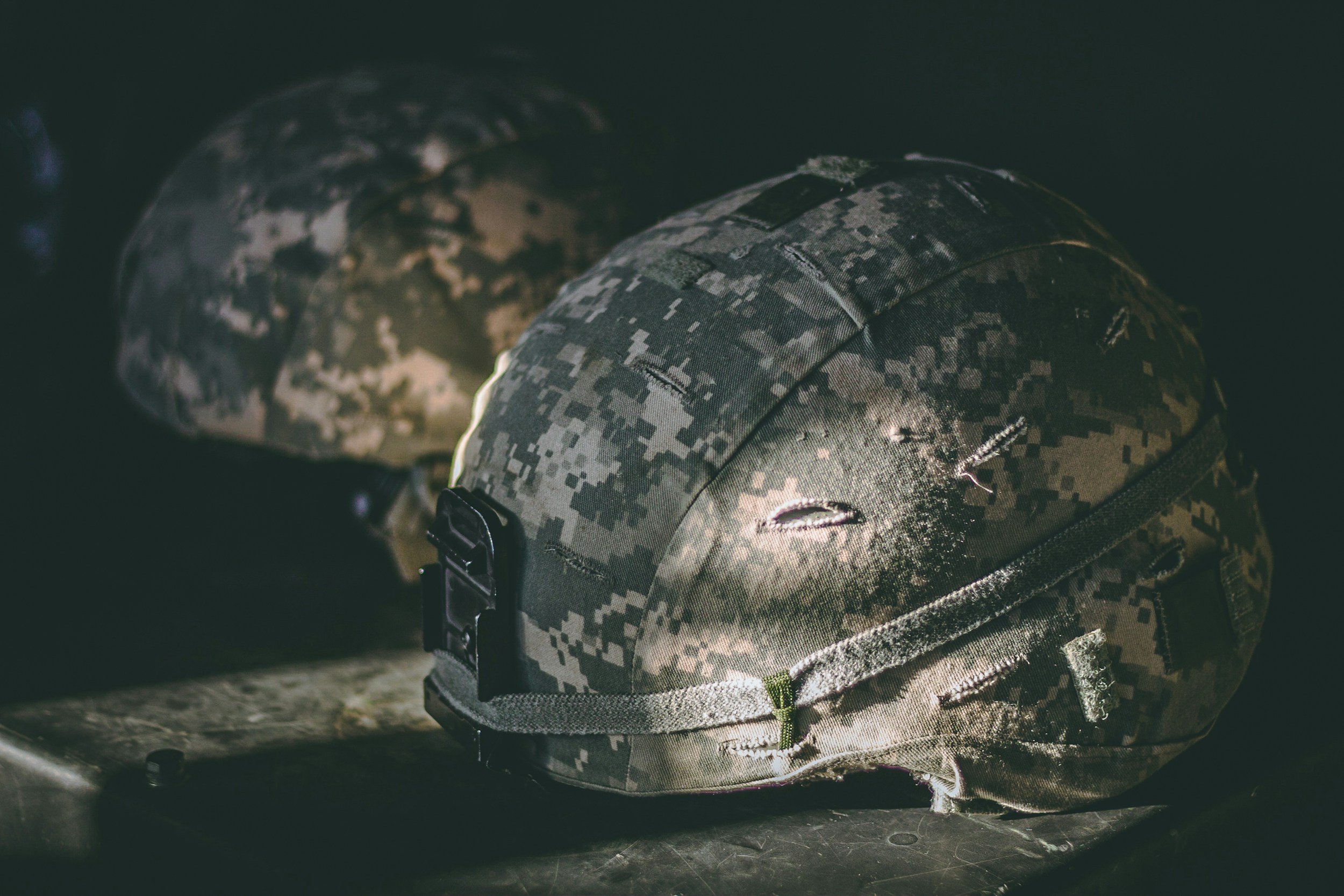
Complex PTSD (CPTSD) can leave Veterans feeling constantly on alert, even in safe civilian environments. An overactivated threat-detection system in the brain keeps the nervous system stuck in survival mode, leading to hypervigilance, sleep disruption, difficulty concentrating, and avoidance. These responses are physiological adaptations to service—not personal weaknesses.
February 15, 2026
-
When the World Feels Heavy: Navigating Stress and Anxiety About Global Events
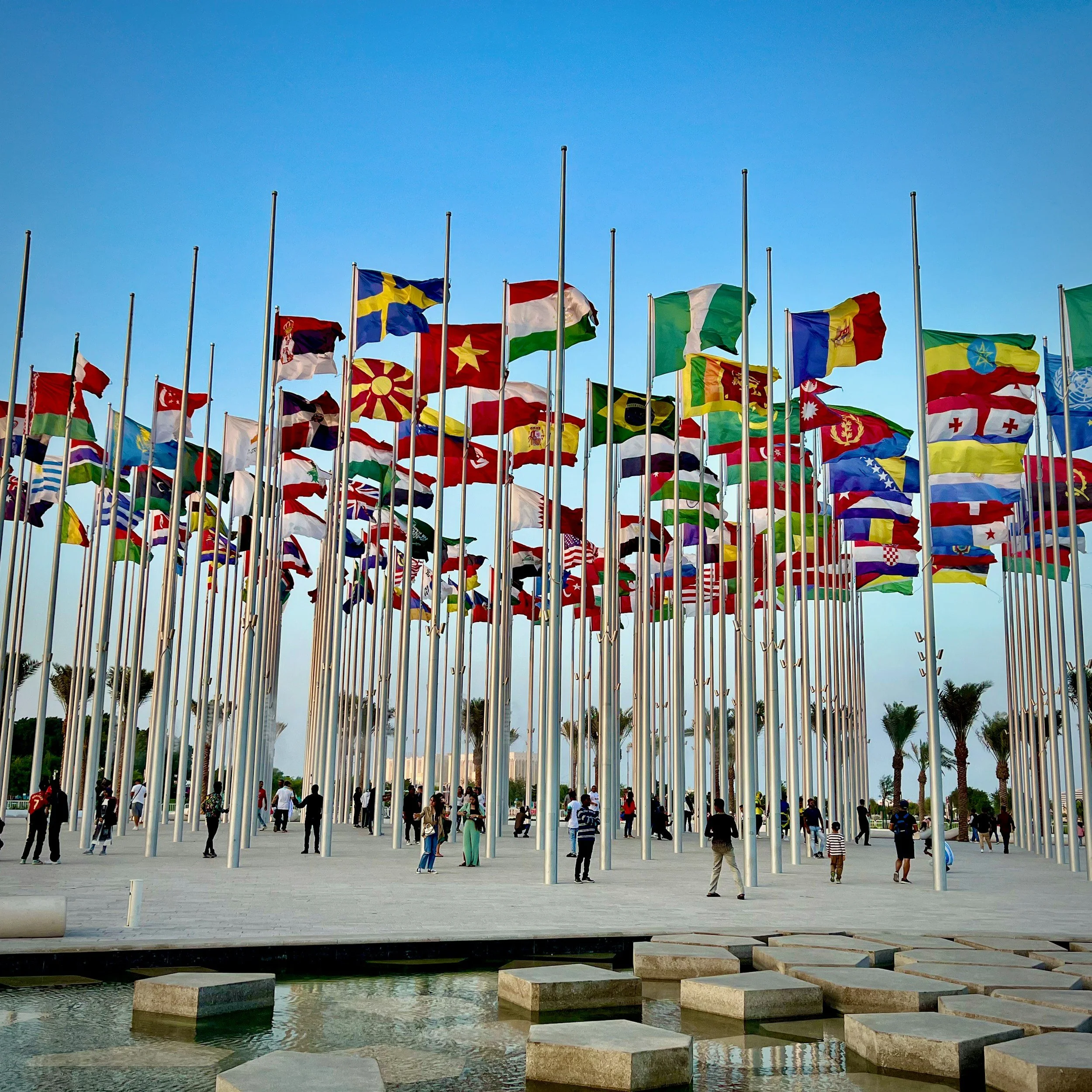
Ongoing global events can leave many people feeling anxious, overwhelmed, or emotionally exhausted. This post examines how exposure to geopolitical stress affects mental health and offers grounded strategies for staying emotionally regulated and supported in a rapidly changing world.
February 1, 2026
-

When Work Feels Uncertain: Coping With Workforce Adjustment Stress
Workplace change can bring intense stress, fear, and emotional strain, often before anything has formally happened. This post explores the psychological impact of workforce adjustment and offers compassionate guidance for navigating stress, loss of control, and the emotional toll of work-related change.
January 30, 2026
-

Exploring Sex Therapy: What It Is, How It Helps, and Why It's Important
This article explains sex therapy in accessible terms, clarifying that it’s a form of talk therapy focused on sexual concerns, intimacy issues, and relationship dynamics. It outlines how therapy reduces shame, strengthens communication, and improves both emotional and sexual well-being.
October 7, 2025
-

Addressing Youth Mental Health: A Vital Step for a Stronger Future
This piece emphasizes the growing challenges young people face — from academic pressures to social and digital stress. It argues that early mental-health support builds resilience, improves long-term outcomes, and benefits communities as a whole.
September 3, 2025
-

Lifting the Burden: A Virtual Summit for Mental Health, Funeral Service & Allied Death Care Professionals
This article highlights the emotional demands placed on funeral service professionals, who support families through grief every day. It introduces a dedicated mental-health program designed specifically for these workers, offering counselling tailored to the unique pressures of death-care roles.
August 10, 2025